
Journal / Reflections

One Space. Different States.

interihotel Madrid 2026 · WellSpaces Forum

A hotel lobby can be a place of anticipation, encounter, excitement or exhaustion. The same space, experienced through different needs, expectations and states of mind.

At the WellSpaces Forum during interihotel Madrid 2026, IMPRONTA explored how evidence from human sciences can help us understand these differences — and, more importantly, translate that understanding into architectural decisions.

Buildings are experienced through sequences of spaces, environmental conditions and transitions. What matters is not only how a space is designed, but what it asks of people, at different moments and in different circumstances.

For IMPRONTA, the challenge lies in moving from scientific knowledge to practical methods that help architects, developers and operators establish priorities and make informed decisions.

At IMPRONTA, we work with architectural practices, developers and operators to translate research into project-specific strategies and decision-support methods. Hospitality presents an important opportunity for this work.

Evidence informs decisions. It does not make them.

Explore how we work
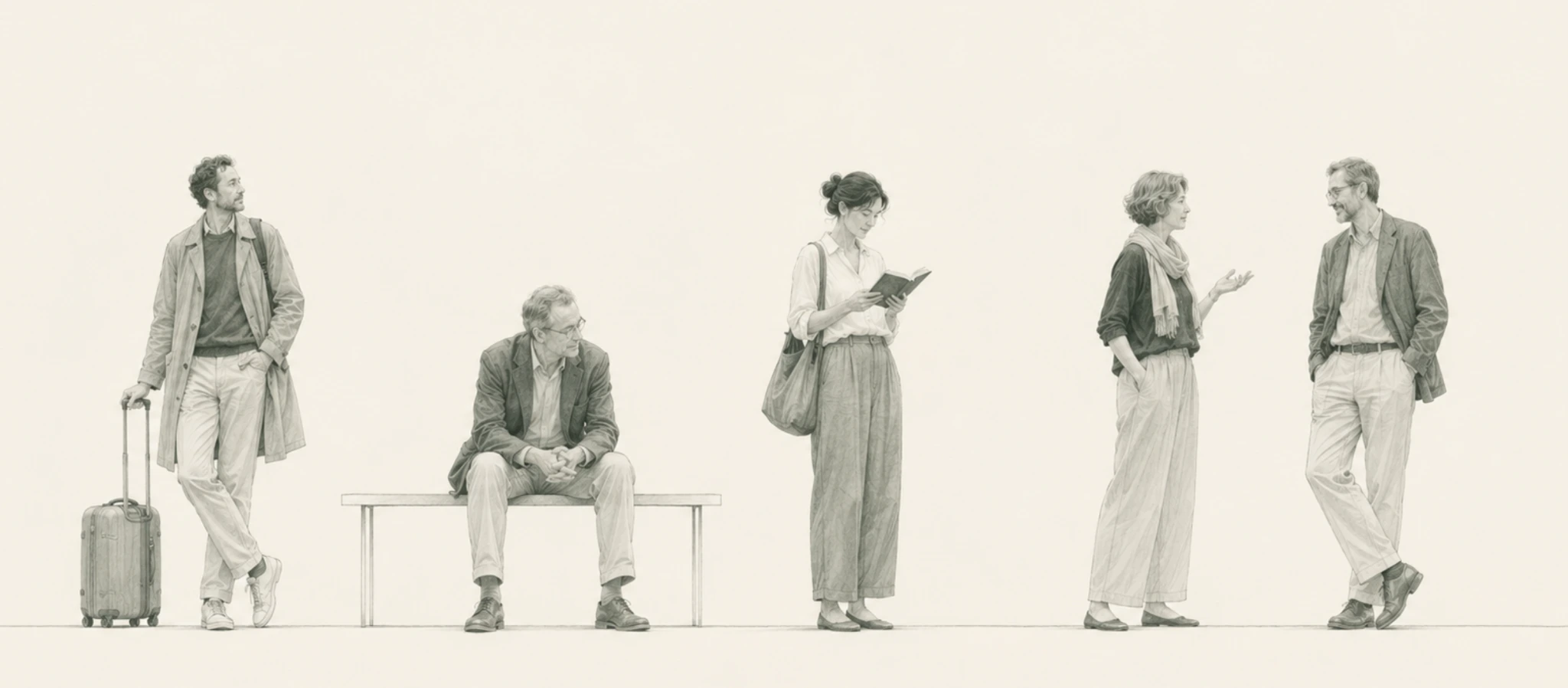
Monochrome pencil illustration of five people waiting, reading or talking in a shared space.
Conceptual illustration, AI-generated.

Space, with intention.

Reflections on architecture, perception and the human experience of place.

Kyoto, Japan · October 2026

In October 2026, IMPRONTA participated in Moving Boundaries Japan, presenting a lecture on Restoration: From Cultural Intuition to Scientific Evidence. The experience offered an opportunity to reflect on the relationships between cultural approaches to space and contemporary scientific understanding.

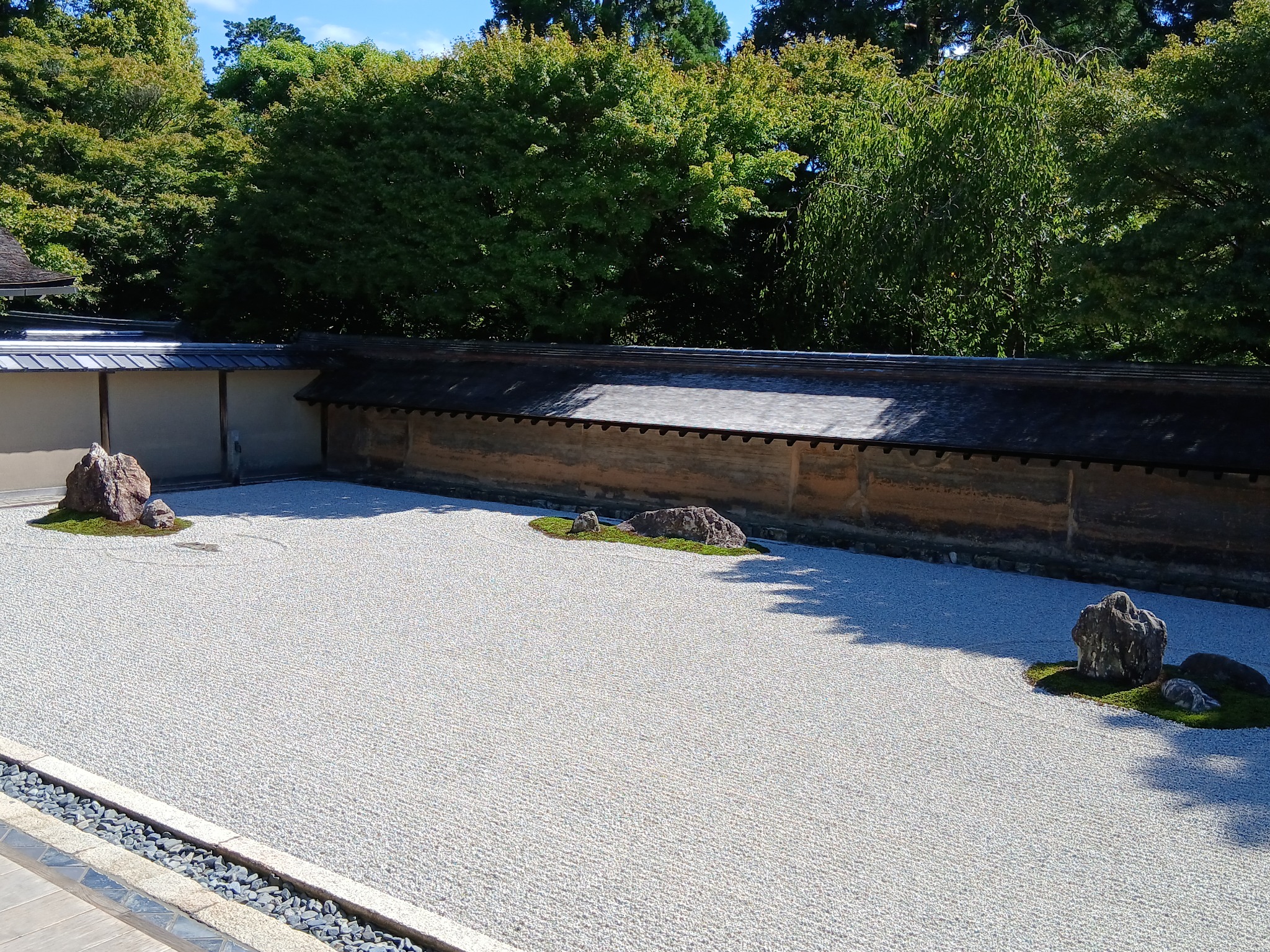
A Japanese dry landscape garden offers an unusual lesson in the experience of space. Few elements, carefully positioned, create relationships that unfold through observation, movement and time.

Attention shifts between individual elements and the whole. Empty space becomes as meaningful as what occupies it.

For us, this is a reminder that architecture is not experienced as a collection of isolated features. It is encountered through perception, the body, movement and context.

The language of circles and spatial relationships also informed the early visual identity of IMPRONTA.

Raked gravel and carefully positioned rocks in a Kyoto dry landscape garden, enclosed by a wall and surrounding trees.
Ryōan-ji rock garden · Kyoto, Japan · 2026 · Photography: Natalia Olszewska