Our work takes different forms — from research studies and spatial assessments to strategic advisory and decision frameworks. Each engagement is shaped by the client's challenges and the decisions they need to make.
IMPRONTA piloted its proprietary 12C™ framework with three organisations across workplace and residential contexts, exploring how a structured assessment can identify environmental constraints affecting neuroinclusion. The work examined sensory, cognitive and social demands, translating findings into decision priorities and practical recommendations. The pilots helped inform the framework's development and its application to both existing and planned environments.
Strategic research & decision frameworks
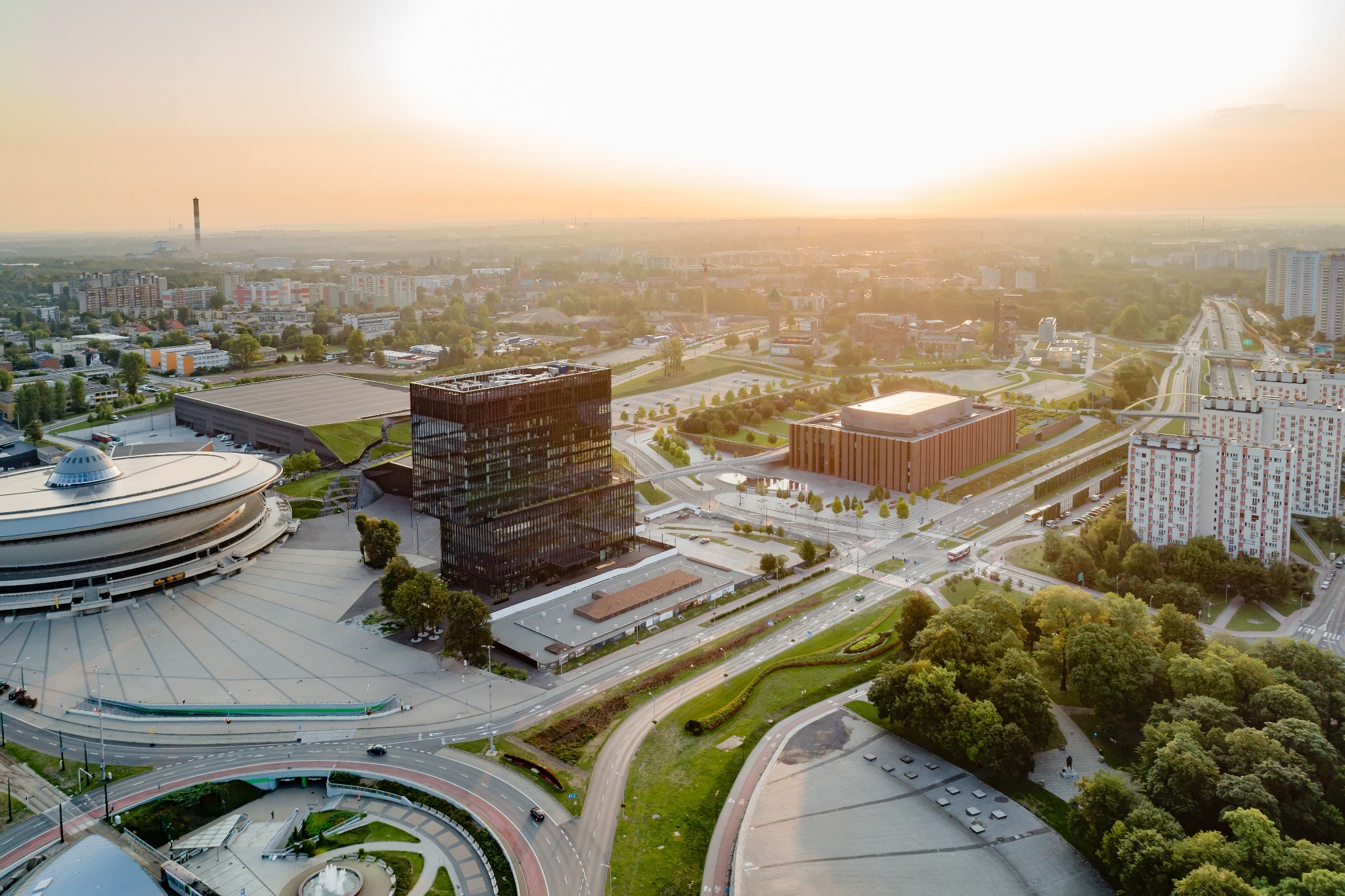
University of Silesia · Katowice, Poland · 2024
Green Science Zone
We developed a research-informed framework to guide the transformation of an urban university campus. Combining evidence from neuroscience and environmental psychology with stakeholder engagement, the work translated ambitions for health, sustainability and academic life into practical design priorities. The resulting guidelines, assessment criteria and proposed metrics provided a structured basis for decisions concerning environmental stressors, restoration, movement, community and learning environments.
Residential strategic advisory
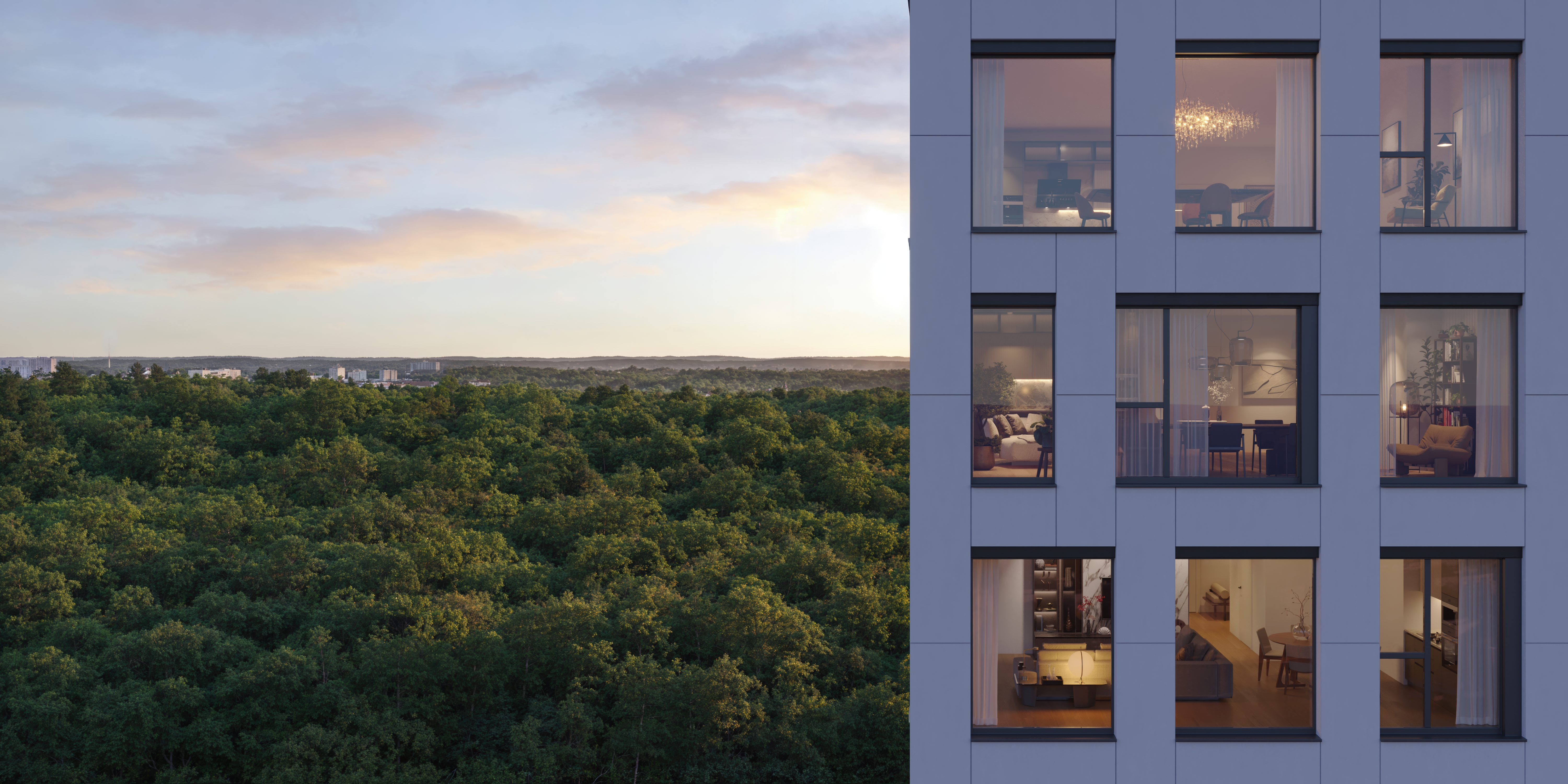
ALLCON · Gdynia, Poland · 2025
SKYCITY
For ALLCON, we developed a strategic, science-informed guide for residential development and used its principles to assess the existing design of the SKYCITY project. The assessment connected evidence on human health, perception and behaviour with architectural and urban design considerations, providing the developer’s teams with a structured perspective for reviewing spatial decisions and identifying opportunities for improvement. It supported a more informed approach to residential quality, wellbeing and user experience.
Science-informed design advisory
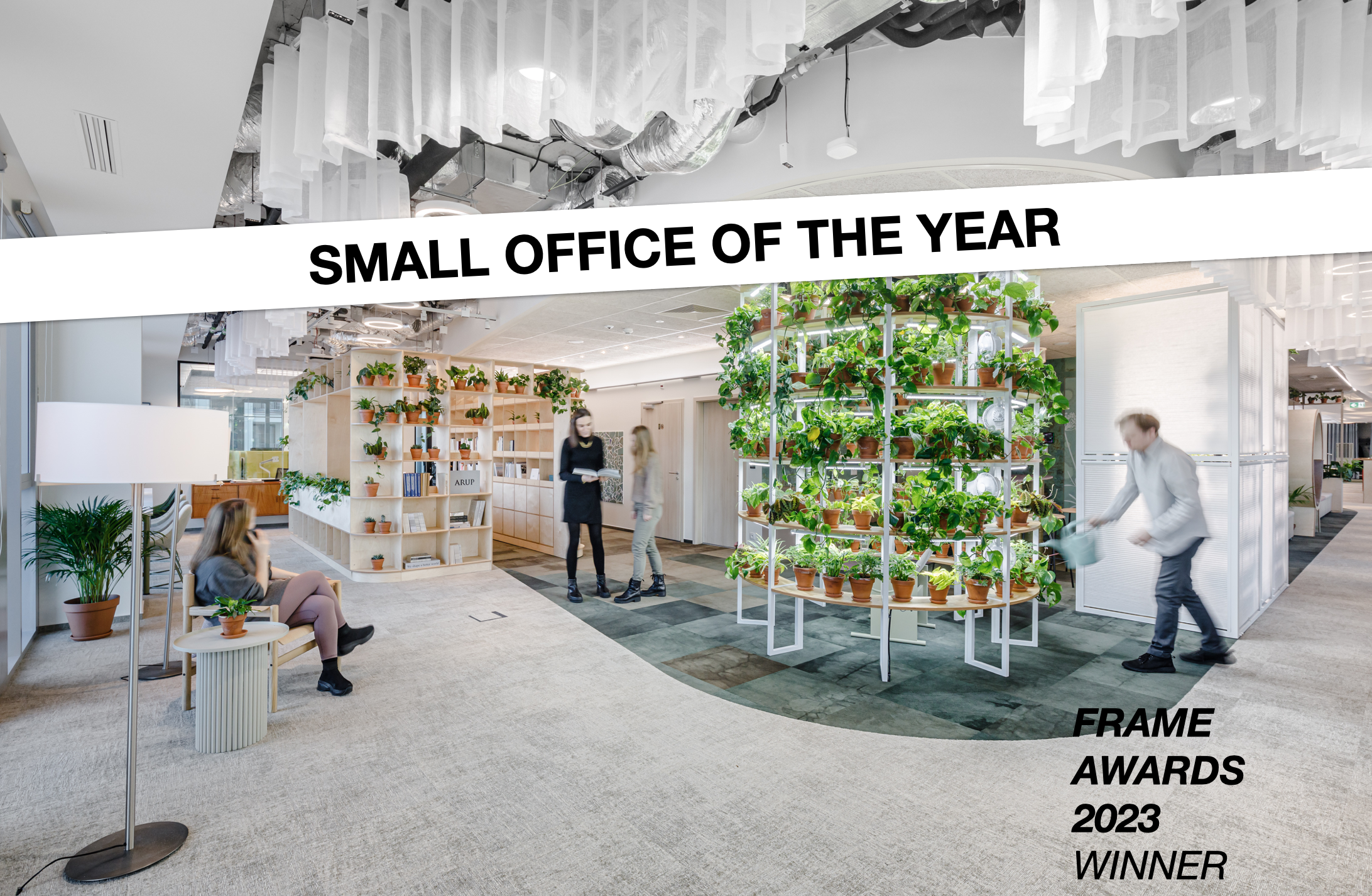
Arup Warsaw Office · Warsaw, Poland · 2023
Restorative Corridor
FRAME Awards 2023 winner
Working with Workplace, the project’s architectural design team, we contributed scientific research and design guidance to the corridor. Drawing on evidence from environmental psychology and neuroscience, the work explored how transitional spaces can offer opportunities for brief recovery during the working day. The project illustrates how scientific knowledge can inform architectural interventions within existing workplaces.
Spatial assessment & strategic advisory
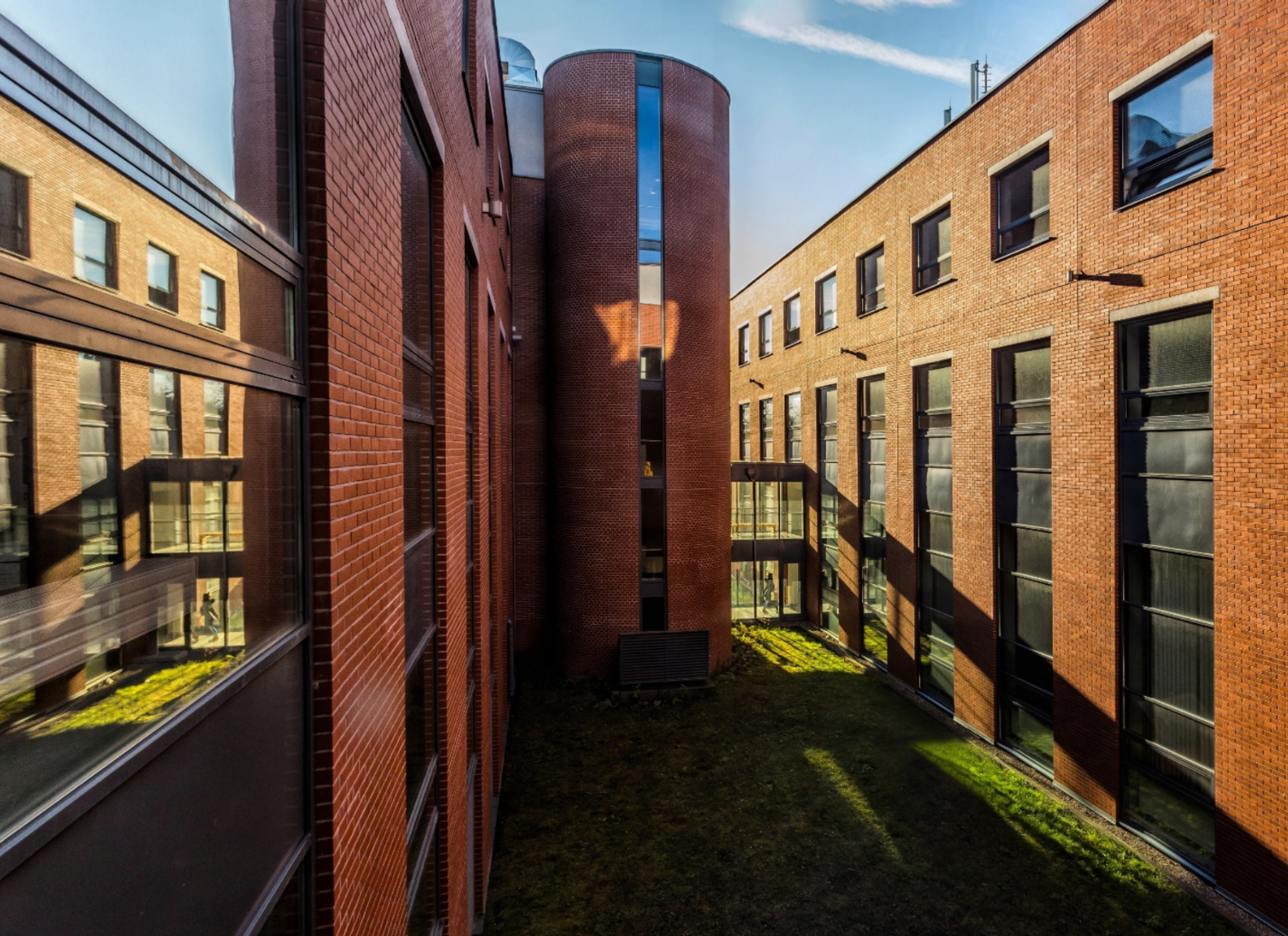
Collegium Da Vinci · Poznań, Poland · 2024
University Buildings Assessment & Neuroinclusion
In collaboration with Bidermann+Wide, we contributed human-sciences expertise to an interdisciplinary assessment of three university buildings covering 18,000 m², examining how existing spaces respond to diverse sensory, cognitive and social needs. Combining expert spatial evaluation with stakeholder research, the work identified barriers and opportunities for more inclusive learning environments. The resulting recommendations and implementation roadmap provided a practical basis for planning improvements and future modernisation.
Research methodology & behavioural assessment · Illustration
Healthcare sector · Canada · 2023
External Wayfinding Research
In collaboration with Forge Media + Design, we conducted a behavioural research assessment of how visitors navigated the outdoor routes of a complex healthcare site. The methodology combined stakeholder engagement, visitor interviews, spatial observation and think-aloud research to identify sources of confusion and uncertainty. The findings provided evidence-informed recommendations to improve wayfinding, spatial legibility and the visitor journey.
Applied research
Contrain · Łódź, Poland · 2025
Workspace Impact Test
The IMPRONTA team designed and led an experimental pilot examining how different workplace environments relate to physiological responses and cognitive performance. Combining environmental design, biometric measurements and cognitive testing, the study generated empirical findings and an interactive demonstration. The work helped business decision-makers understand how environmental conditions can be investigated and measured to inform future workplace strategies.
Applied research & workplace strategy
Skanska · Poland · 2023
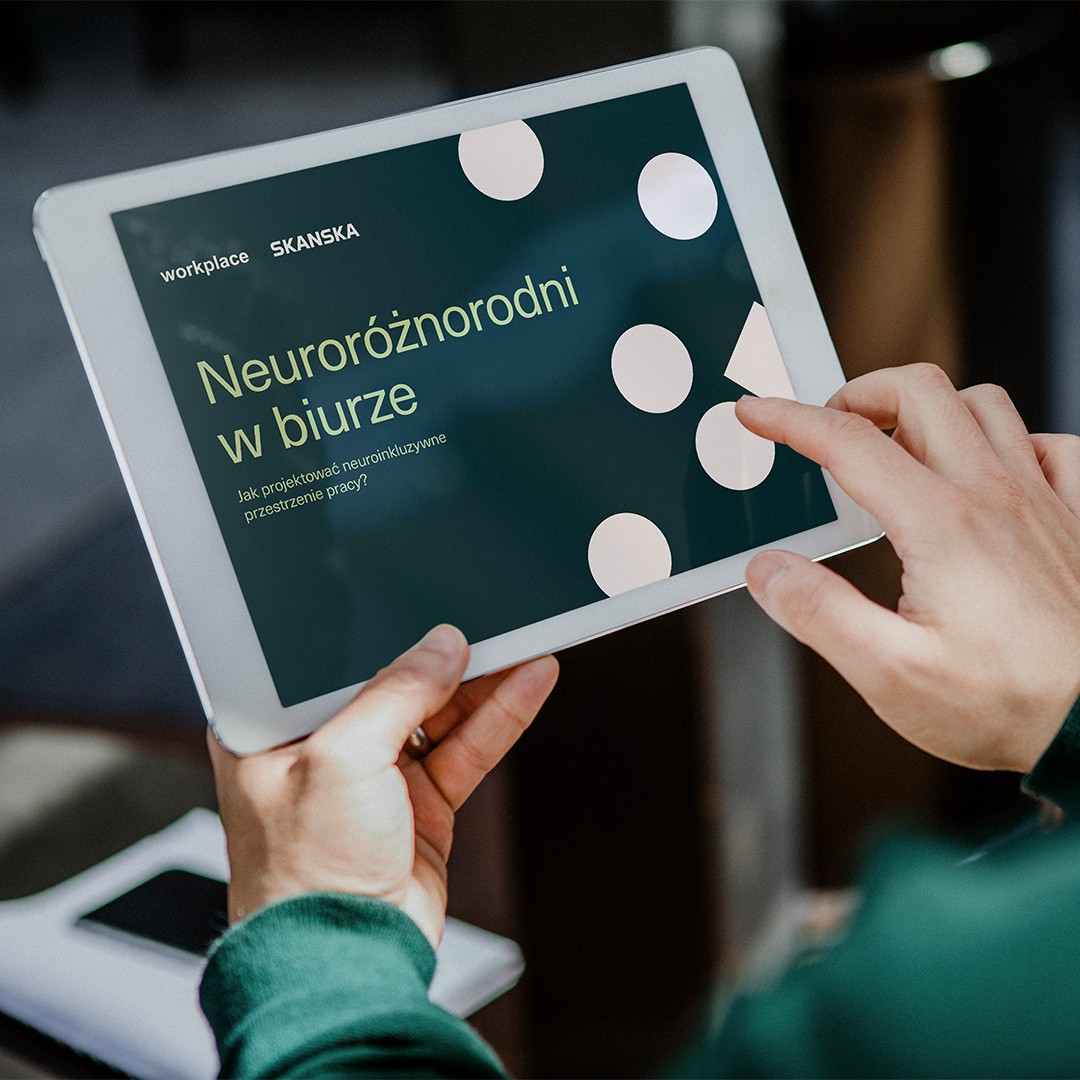
Neurodiversity in the Office
We contributed research examining how workplaces can better respond to differences in sensory and cognitive processing. The work translated scientific knowledge about neurodiversity into practical design considerations, helping developers and workplace professionals understand how spatial decisions can support more inclusive environments and accommodate a wider range of user needs.
“They laid out neuroarchitecture like a jigsaw puzzle and showed us how complex and broad our view of a project needs to be in order to truly create a space for people.”